
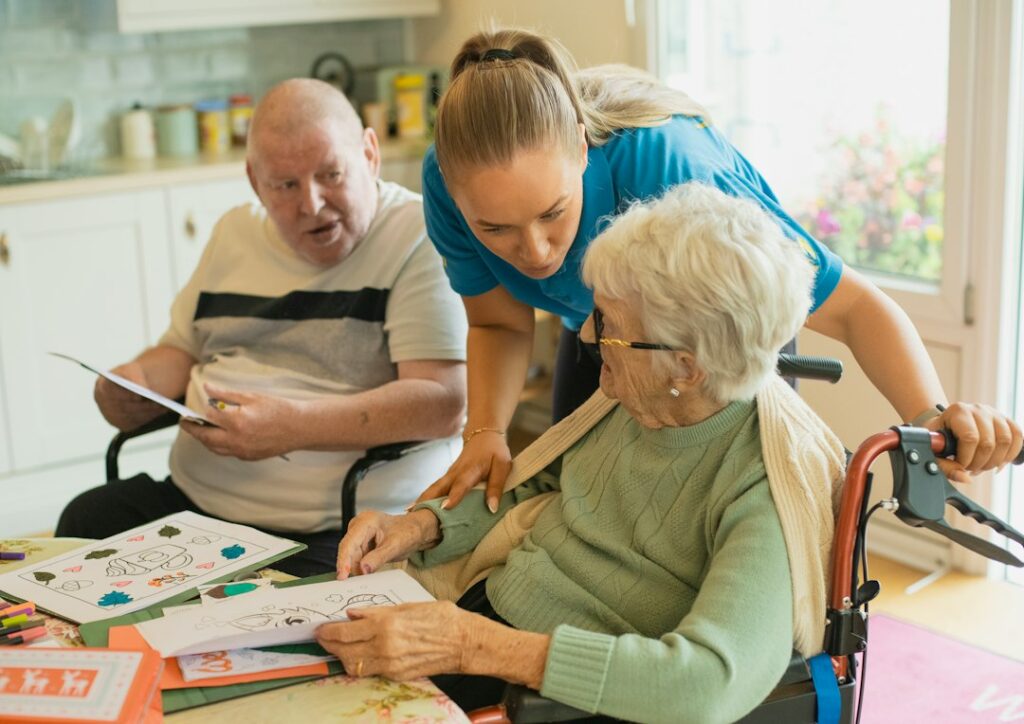
Assisted living is designed to provide support without taking away a person’s ability to make choices, follow routines, and participate in daily life. For many residents, the goal is not complete dependence on staff. It is having the right amount of help to remain safe, active, and involved.
What does independence mean in assisted living?
Independence means having control over everyday decisions while receiving assistance with tasks that have become difficult, tiring, or unsafe. A resident may need help with bathing but still choose what to wear, when to join activities, and how to spend the afternoon.
Assisted living typically supports independence in several ways:
- Help with personal care when needed
- Medication reminders or medication assistance
- Support with meals and household tasks
- Transportation coordination
- Safety monitoring
- Opportunities for exercise, social connection, and hobbies
- Flexible routines based on personal preferences
The level of support can vary from person to person. Someone may need only occasional help, while another resident may require daily assistance with several activities.
How can assisted living provide help without taking over?
The most useful support is often the least intrusive support that still addresses a safety or health concern. Staff may encourage a resident to complete as much of a task as possible and assist only with the steps that are difficult.
For example, a resident who has trouble standing for long periods may still prepare part of a simple activity, choose ingredients, or help set a table. A person who needs help getting dressed may select clothing independently and receive assistance with buttons, shoes, or balance.
This approach helps preserve physical ability and confidence. Doing everything for a resident can lead to unnecessary loss of strength and self-reliance. Good support focuses on partnership rather than control.
Which daily activities can residents usually manage themselves?
Many residents continue to direct their own daily routines. The specific options depend on personal ability, community policies, and care needs, but common areas of choice include:
- Waking and going to bed
- Choosing clothing and personal-care products
- Selecting meals from available options
- Deciding whether to attend activities
- Spending time in a private apartment or shared area
- Calling family members and friends
- Managing personal belongings
- Choosing hobbies, entertainment, and reading
- Participating in religious, cultural, or community traditions
A resident may also help create a written service plan that explains what kind of assistance is wanted or needed. This plan should reflect current abilities and be reviewed if health or mobility changes.
Does assisted living allow residents to keep a normal routine?
In most cases, yes. Maintaining familiar routines can support memory, mood, and confidence. A resident who has always enjoyed an early breakfast may prefer to remain an early riser. Another person may value a quiet morning and prefer later activities.
A move into assisted living does not have to mean abandoning long-standing habits. Residents may be able to continue reading the newspaper, tending indoor plants, watching favorite programs, hosting visitors, or taking part in familiar household rituals.
For families in Wormleysburg, PA, seasonal conditions may also affect routines. Hot, humid summers, winter ice, and changing daylight can make outdoor walking or errands more difficult. Support may involve adjusting the timing of activities, arranging safer transportation, or finding indoor alternatives while preserving the resident’s sense of choice.
How does assisted living support mobility and physical independence?
Mobility support can help residents continue moving safely rather than avoiding activity altogether. Assistance may include reminders to use a walker, help navigating stairs or uneven surfaces, or supervision during transfers from a chair to a bed.
Safe movement is valuable because regular activity supports strength, balance, flexibility, and confidence. Depending on a resident’s abilities, independence may be encouraged through:
- Walking in secure indoor or outdoor areas
- Stretching or chair-based exercise
- Participating in recreational activities
- Practicing safe transfers
- Using mobility equipment correctly
- Taking rest breaks before fatigue becomes severe
Mobility goals should be realistic and individualized. Independence does not always mean walking without assistance. It may mean moving safely with a cane, walker, wheelchair, or another support while still deciding where to go and what to do.
Can assisted living help with medications while preserving control?
Medication support is one of the areas where assistance may be necessary for safety. Depending on state rules and a resident’s care plan, support may include reminders, medication administration, storage, or help communicating with a prescribing clinician or pharmacist.
Residents should still be included in medication discussions whenever possible. They can ask what each medication is for, learn about possible side effects, and report changes such as dizziness, unusual tiredness, confusion, or appetite loss.
Families should not assume that medication help means a resident has lost all decision-making ability. A person may need assistance taking medications correctly while remaining capable of making many other personal choices.
What role do meals and nutrition play in independence?
Meals can support independence when residents have meaningful choices and opportunities to participate. A person may choose between menu options, decide where to eat, request appropriate dietary accommodations, or help with simple food-related activities.
Appetite can change with age, illness, medications, dental problems, or changes in taste and smell. Staff and family members should watch for unplanned weight loss, repeated refusal of meals, difficulty chewing or swallowing, or signs of dehydration.
Nutrition support should be respectful. Encouraging a resident to eat is different from pressuring or embarrassing the person. Familiar foods, preferred meal times, appropriate portions, and a comfortable dining setting may all help.
How can families encourage independence after a move?

Family members can support independence by asking what kind of help feels useful instead of assuming that more help is always better. Questions such as “Which parts would you like assistance with?” or “What would you prefer to do yourself?” can clarify a resident’s priorities.
Families can also:
- Bring familiar clothing, photos, books, or decorative items
- Encourage residents to make small daily decisions
- Focus on abilities rather than limitations
- Avoid completing tasks solely because it is faster
- Respect privacy and personal space
- Share useful information about routines and preferences
- Watch for changes that may require a care-plan review
Visitors should also allow time for residents to answer questions and speak for themselves. A family member may provide helpful context, but the resident should remain involved whenever possible.
What if a resident’s abilities change?
Independence is not fixed. A resident may become stronger after rehabilitation, or may need additional help after an illness, fall, memory change, or mobility problem. The appropriate response is to reassess the plan rather than automatically remove all choices.
Changes that deserve attention may include:
- Repeated falls or near-falls
- Difficulty managing personal care
- Missed or duplicated medications
- New confusion or disorientation
- Withdrawal from normal activities
- Trouble eating, drinking, or communicating needs
- Increased fear of moving around
A revised plan might add assistance during certain tasks while preserving independence in other areas. For example, a resident may need help showering but still manage grooming, clothing choices, and social activities.
What should families ask before choosing assisted living?
Families can ask how the setting approaches independence, including:
- How are resident preferences recorded?
- Can residents choose daily schedules?
- What happens when a person needs more help?
- How are mobility goals supported?
- How are medications handled?
- Can residents participate in care planning?
- How are families informed about significant changes?
- What safety measures are used during extreme heat, winter weather, or power disruptions?
The answers can reveal whether assistance is individualized or built around a rigid routine. A supportive environment should protect safety while recognizing that independence includes privacy, dignity, decision-making, and participation—not just completing tasks alone.
