

Leaving a longtime home for assisted living can bring relief, grief, uncertainty, and many practical questions at the same time. For residents and families in Wormleysburg, PA, understanding the process in advance can make the transition more orderly and less overwhelming.
Assisted living is generally intended for people who need help with daily activities, supervision, meals, or medication support but do not require continuous skilled nursing care. The experience varies by residence and by individual, so the most useful preparation begins with understanding personal needs rather than focusing only on the appearance of a building.
What usually happens before the move?
The transition typically begins with an assessment of health, mobility, medications, personal care needs, memory, diet, and daily routines. This information helps determine whether assisted living is an appropriate setting and what services should be included in an individual support plan.
Families may be asked to gather:
- A current medication list
- Medical history and emergency information
- A list of allergies and dietary needs
- Information about mobility equipment
- Contact details for physicians and family members
- Legal documents, insurance information, and advance directives
- Preferred routines, hobbies, and communication preferences
In Pennsylvania, assisted living residences and personal care homes are licensed residential settings. They are different from nursing homes, which provide a higher level of medical care. A careful review of the residence’s license, services, staffing practices, and admission requirements is part of responsible planning.
The move may happen quickly after a hospital stay or gradually over several months. A gradual transition usually allows more time to sort possessions, discuss preferences, and prepare emotionally.
How does daily life change?
Daily life often becomes more structured, but that does not mean every resident follows the same schedule. Meals, medication times, personal care, activities, transportation, and housekeeping may be organized by the residence, while residents generally retain choices about clothing, visitors, leisure, and personal routines.
A typical day might include:
- Breakfast and scheduled medications
- Assistance with bathing or dressing, if needed
- Personal activities such as reading, television, crafts, or walking
- Group programs or social gatherings
- Lunch and an afternoon rest period
- Transportation or support for appointments
- Dinner and evening routines
Some people initially worry that assisted living will feel like a hospital. In many settings, it is designed as a residential environment rather than a medical unit. However, residents should still expect rules related to safety, medication handling, emergencies, visitors, smoking, pets, and transportation.
The adjustment may be easier when familiar habits are preserved. A favorite chair, family photographs, a familiar blanket, a radio, or a regular evening routine can make a new room feel more recognizable.
What should families ask about care?
The most important questions concern what help is available now and what may be available if needs increase. Services can differ significantly between residences.
Ask how the residence handles:
- Bathing, dressing, grooming, and toileting
- Walking, transfers, and fall prevention
- Medication reminders or medication administration
- Memory loss and nighttime confusion
- Incontinence care
- Special diets and food allergies
- Laundry and housekeeping
- Transportation to medical appointments
- Physical, occupational, or speech therapy
- Emergency response and evacuation
- Temporary changes after illness or hospitalization
A common misconception is that “assisted living” means the same level of care everywhere. It does not. Some residences may support residents with more complex needs, while others may require a move if a person develops significant medical or behavioral needs.
It is also useful to ask how care is reassessed. A resident’s needs may change after a fall, infection, surgery, medication change, or decline in mobility. Families should understand how changes affect services, staffing, care plans, and monthly charges before moving in.
What does it feel like emotionally?
Even when the move is necessary, leaving home can feel like losing independence. A person may grieve the house itself, familiar neighbors, a garden, a workshop, or the ability to follow an unplanned schedule.
Resistance does not always mean the decision is wrong. It may reflect fear, embarrassment, fatigue, or concern about losing control. Conversations tend to go better when they focus on specific needs rather than criticism. For example, discussing help with stairs, meals, or medication may be more productive than saying someone is no longer safe at home.
Family members may also experience guilt. It is possible to care deeply about a parent, spouse, or relative while recognizing that home-based care has become unsafe or unsustainable. Assisted living can shift family involvement from daily hands-on tasks toward companionship, advocacy, and regular oversight.
How can the room and belongings be prepared?
Most assisted living rooms are smaller than a typical house, so downsizing requires practical choices. Begin with safety and comfort rather than trying to recreate the entire home.
Prioritize:
- A comfortable bed and seating
- Clothing appropriate for the season
- Essential toiletries
- Important photographs and personal items
- A clock and calendar that are easy to see
- Mobility devices and other approved equipment
- Clearly labeled clothing and belongings
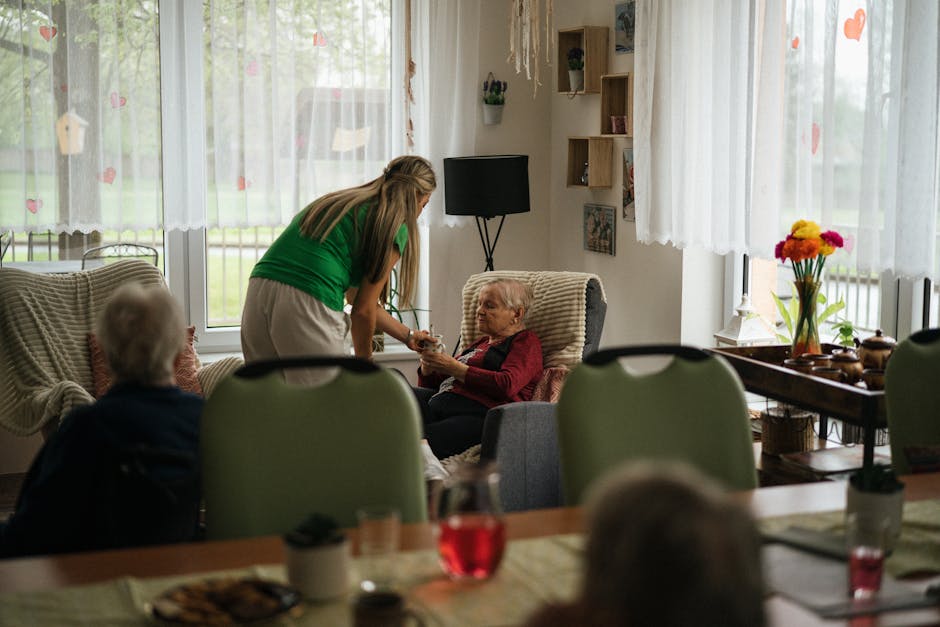
Avoid clutter that could create fall hazards. Rugs, extension cords, unstable furniture, and crowded walkways may need to be removed. Confirm room dimensions, furniture policies, electrical limits, and storage space before bringing large items.
Wormleysburg’s seasonal weather can also affect planning. Clothing should include layers, a warm coat, nonslip footwear, and rain protection. Families should ask how residents access outdoor areas and what happens during snow, ice, heavy rain, or unusually hot weather.
What happens during the first few weeks?
The first month is often an adjustment period rather than a final judgment about the move. Sleep may change, appetite may fluctuate, and a resident may seem withdrawn or unusually tired. These changes should be discussed with staff and healthcare providers, especially if they are sudden or severe.
Families can help by:
- Visiting at different times of day
- Bringing familiar foods when allowed
- Encouraging participation without forcing it
- Learning the names and roles of key staff members
- Keeping visits calm and predictable
- Watching for changes in mood, hydration, sleep, or mobility
- Sharing useful information about the person’s history and preferences
It may take time to form friendships. A person does not need to attend every activity or immediately feel at home. Small routines, such as eating breakfast in a preferred location or taking a regular afternoon walk, can provide stability.
What rights and responsibilities should residents understand?
Residents should be treated with dignity and respect, informed about residence rules, and given access to personal communication and visitors under applicable policies. They should also receive clear information about services, fees, care expectations, and circumstances that could lead to a change in placement.
Families and residents should read the agreement carefully. Pay attention to:
- What is included in the basic rate
- Which services cost extra
- How medication support is billed
- Rules for outside healthcare providers
- Transportation policies
- Notice requirements for moving out
- Procedures for complaints or concerns
- What happens if care needs become more advanced
Keeping written records of questions, conversations, changes in care, and billing concerns can prevent misunderstandings. If a safety, abuse, neglect, or rights issue arises, it may require prompt reporting through the appropriate Pennsylvania oversight or advocacy channel.
How can the transition protect independence?
Assisted living should not mean giving up every decision. Independence may look different after the move. A resident may still choose clothing, meals when options are available, activities, visitors, bedtime, personal belongings, and how to spend private time.
The strongest transitions combine needed support with meaningful choice. Families can help by asking, “What would make this feel more like your home?” rather than making every decision on the resident’s behalf.
A successful move is not measured by how quickly a person adapts. It is measured by whether the new setting provides appropriate safety, dignity, routine, and opportunities for connection while allowing the resident to remain involved in everyday decisions.
